



Safety and Care
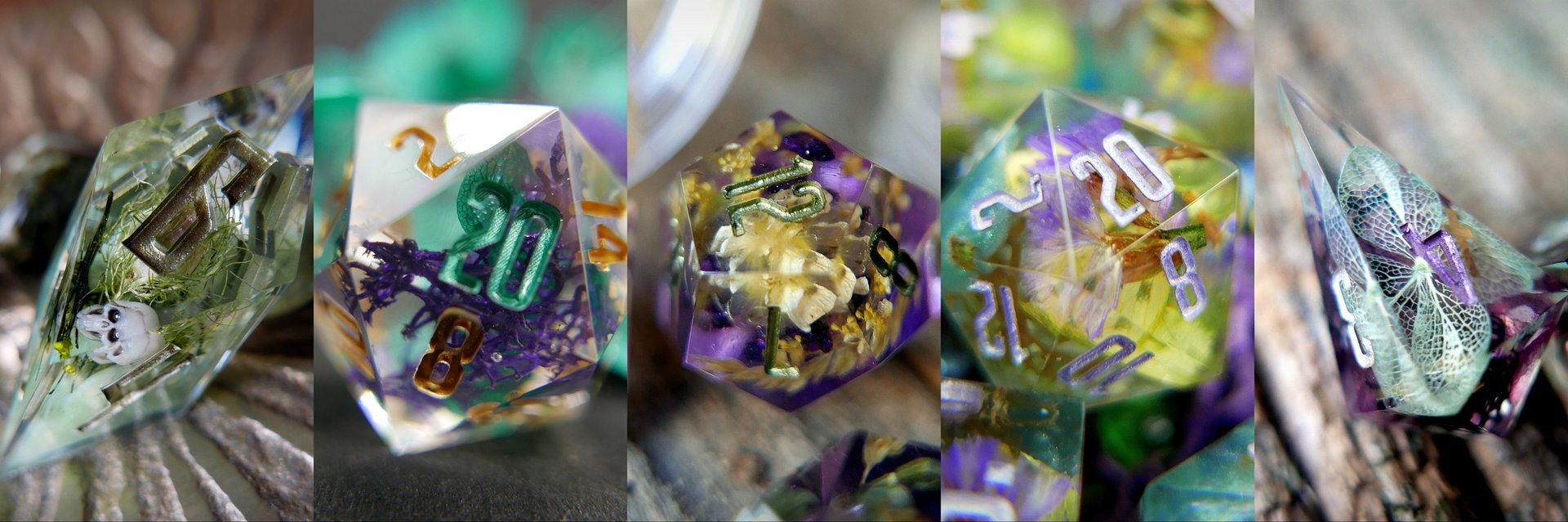
All resin items/sets (epoxy and acrylic) at Dicinabre have a serial number, structured as follows: DD/MM/YY-Resin Type-Batch Number.
Example: 01/01/25-RELV-B°1.
Types of resins used:
RELV = Epoxy Resin Low Viscosity
REMV = Epoxy Resin Medium Viscosity
RAG = Acrylic Resin and Gypsum
Resins
Dicinabre makes every effort to handle these resins in their raw state under scrupulous safety conditions: ventilation, protective equipment, meticulous adherence to mixing ratios and times, curing times, etc. Once fully cured, these resins are non-toxic and non-allergenic.
You will never come into contact with raw or improperly cured resin when purchasing your products from Dicinabre, but please still make sure to follow the safety and care instructions below to avoid making your items hazardous :
Epoxy Resin items
Handling
Safe handling of finished items: The epoxy resin items you have purchased are fully cured and ready for use. No contact with raw resin is necessary. However, it is important to handle the items with care to avoid impacts that could damage the surface.
Keep items out of reach of children: While durable, resin items can break or crack if dropped. Keep them away from young children or pets to avoid accidents. Do not ingest, do not lick.
Care of your epoxy resin items
Avoid direct exposure to sunlight: To preserve the shine and color of your item, avoid exposing it to direct sunlight for long periods. This could lead to yellowing or degradation of the surface. Storing it in a shaded area is ideal, in a pouch or an opaque box.
Do not expose to extreme temperatures: Exposure to very high or low temperatures could alter the appearance or structure of the item. Do not place your item near heat sources (radiators, ovens, fireplaces) and avoid leaving it in very cold places.
Cleaning and maintenance:
Use a soft, damp cloth to clean your epoxy resin item. A mild soap can be used if necessary, but avoid abrasive or chemical cleaners that could damage the surface. A gentle glass cleaner may be effective.
Do not immerse the resin item in water for long periods. A quick wipe with a cloth is sufficient for cleaning.
Avoid harsh chemicals (ammonia, acetone, etc.), as they may dull the resin and affect the appearance of the product, as well as remove paint from painted items.
Protection against impacts: While epoxy resin is a strong material, it can break under violent impact. Handle the item with care and avoid dropping or hitting it. For dice, it is preferable to throw them in dice trays or on smooth surfaces.
Repair: If your item has superficial scratches, you can gently polish it using a soft polish designed for epoxy resin surfaces. Be sure to strictly follow the safety instructions provided with your product.
Storage: When not in use, store the resin item in a dry place at room temperature. Avoid placing it in damp environments or places with extreme temperature fluctuations.
Acrylic and Gypsum Resin items
Safety when handling
Safe handling of finished items: The acrylic resin items you have purchased are fully cured and ready for use. No contact with the raw material is necessary. However, it is important to handle the items with care to avoid any impacts that could damage the surface.
Keep items out of reach of children: While acrylic resin is a strong and durable material, items can break or crack if dropped. We recommend keeping them away from young children or pets to avoid accidents. Do not ingest, do not lick.
Care of your acrylic resin items
Avoid direct exposure to sunlight: To preserve the appearance and color of your item, it is recommended not to expose it to direct sunlight for long periods. Prolonged sun exposure could lead to discoloration or surface degradation. Storing it in a shaded area is advisable.
Do not expose to extreme temperatures: Acrylic resin can be sensitive to very high or low temperatures. Do not place your acrylic resin items near heat sources (radiators, ovens, fireplaces) and avoid leaving them in very cold environments.
Cleaning and maintenance:
Use a soft, possibly damp cloth to clean your acrylic resin item. A mild soap can be used if necessary, but avoid abrasive or chemical cleaners that could damage the surface.
Do not immerse the acrylic resin item in water for long periods. A simple wipe with a cloth is sufficient for cleaning.
Avoid harsh chemicals (such as ammonia or strong solvents) which can dull the material and affect the appearance of your item.
Acrylic resin items are not dishwasher safe.
Protection against impacts: While acrylic resin is a durable material, it may crack or break under violent impact. Handle your item with care and avoid drops or bumps.
Repair: If superficial scratches appear, you can polish your acrylic resin item using a soft polish or a fine sponge. Be sure to strictly follow the safety instructions provided with your product.
Storage: When not in use, store the acrylic resin item in a dry place at room temperature. Avoid humid environments or places with extreme temperatures, as this could affect the strength of the material.
"Jesmonite"-like.
Paint
All Dicinabre items are painted with acrylic paints.
Avoid ingestion: Ensure that painted items are not used for food-related applications.
Keep out of reach of young children: While acrylic paint is generally non-toxic once dry, it is still best to keep painted items out of reach of young children to avoid any risk of scratches or ingestion of small pieces.
Storage: Store painted items in a dry place, away from excessive moisture or intense heat.
Care for Items Painted with Acrylic Paint:
Cleaning:
Avoid abrasive products: To clean painted items, use a soft, slightly damp cloth. Do not use abrasive cleaners or harsh chemicals.
Dry immediately: After cleaning, dry the items thoroughly to prevent moisture.
Protection:
Avoid direct sunlight exposure: Protect painted items from direct sunlight to preserve the color and prevent fading over time.
Handle with care: While acrylic paint is durable once dry, it is advised to handle items carefully to prevent the paint from chipping or scratching, especially if the item has fine details or intricate patterns.
Jewels and Others
JEWELS
Stainless Steel
General Use: Stainless steel is safe for everyday use. It is non-toxic and does not react with most foods or common products.
Handle with Care: Avoid heavy impacts or shocks, as although stainless steel is durable, it can deform or scratch under excessive force.
Maintenance of Stainless Steel Objects:
Easy Cleaning: Hot Water Cleaning: To keep your stainless steel objects clean, wash them with warm water, mild soap, and a non-abrasive sponge. Avoid using harsh scrub pads that could scratch the surface.
Avoid Harsh Chemicals: Do not use cleaning products containing abrasives, chlorine, or strong acids, as they can damage the finish.
Dry After Cleaning: To prevent water stains, dry the object with a soft, dry cloth after cleaning.
Avoid Scratches: Although stainless steel is resistant, it is still best to avoid rubbing hard or abrasive objects against the surface, as this can leave permanent marks.
Moisture Protection: Stainless steel is resistant to rust, but to maintain its shine, avoid prolonged exposure to very humid environments. If the object remains wet for a long period, wipe it quickly to prevent stains.
Polishing: If the stainless steel loses some of its shine, you can use a specific polishing product to restore its luster. Apply it with a soft cloth, then wipe off the excess. Carefully follow the usage instructions on your product.
Additional Tips:
Storage: Store your stainless steel objects in a dry place, away from excessive moisture, to maintain their appearance.
Avoid Extreme Temperatures: Do not place stainless steel objects in environments with very high or low temperatures (e.g., do not put them directly in a freezer or near open flames).
With these simple care steps, your stainless steel objects will remain functional and beautiful for a long time!
Cable wire
Avoid violent shocks: Do not drop the necklace or subject it to excessive tension.
Keep out of reach of young children: Small parts (beads, clasps) may be ingested.
Maintenance:
Gentle cleaning: Use a soft, dry cloth to wipe the necklace. Avoid water and chemicals.
Storage: Store it away from moisture and heat sources. Keep it in a dry, clean place to prevent wear.
These simple precautions will keep your wire-wrapped necklaces in excellent condition!
Semi-precious stone beads
Avoid shocks: Semi-precious stones can break if struck violently.
Keep out of reach of young children: Risk of ingestion of small beads.
Care:
Gentle cleaning: Use a soft, dry cloth to wipe the necklace. Do not wash the stones with water.
Storage: Store the necklace in a dry place, away from humidity to avoid damaging the stones.
With these simple precautions, your semi-precious stone necklaces will remain beautiful and durable!
Bookmarks
Glass vial filled with epoxy resin
Avoid impacts: The glass vial can break if dropped or subjected to a strong impact.
Keep out of reach of young children: Risk of ingestion of the cork or small parts.
Care:
Gentle cleaning: Use a soft, dry cloth to clean the vial. Do not immerse it in water.
Storage:
Avoid excessive heat: Do not expose the vial to direct heat sources or high temperatures, as the resin may expand and damage the vial. Be cautious of the magnifying effect of sunlight on the vial.
Protect from direct sunlight: Avoid prolonged exposure to sunlight or its reflection, as the heat and intensity can affect the resin and the cork.
Avoid extreme cold: Do not place the vial in extremely cold environments, as the resin may become brittle, and the vial could break.
These simple precautions will help preserve the integrity of your glass vial and ensure its durability!
Dicinabre
Handcrafted dice for game enthusiasts.
Contact
Contact form
dicinabre@gmail.com
+33 680484131
© 2024. All rights reserved.